From August 23 to 29, Jiang Tongrong, Vice‑Secretary of the University Party Committee, led a delegation from the university as part of the "2026 International Medical Education Alliance Annual Conference and Exchange Mission of Medical Universities" organized by the China Education Association for International Exchange. The delegation attended the 2026 Annual Conference of the International Medical Education Alliance in Vienna, Austria. Afterwards, the delegation visited Vrije Universiteit Brussel and its affiliated hospitals in Brussels, Belgium, and paid a courtesy call on the Chinese Embassy in Belgium. The mission brought together representatives from 14 medical universities and their affiliated hospitals across China.
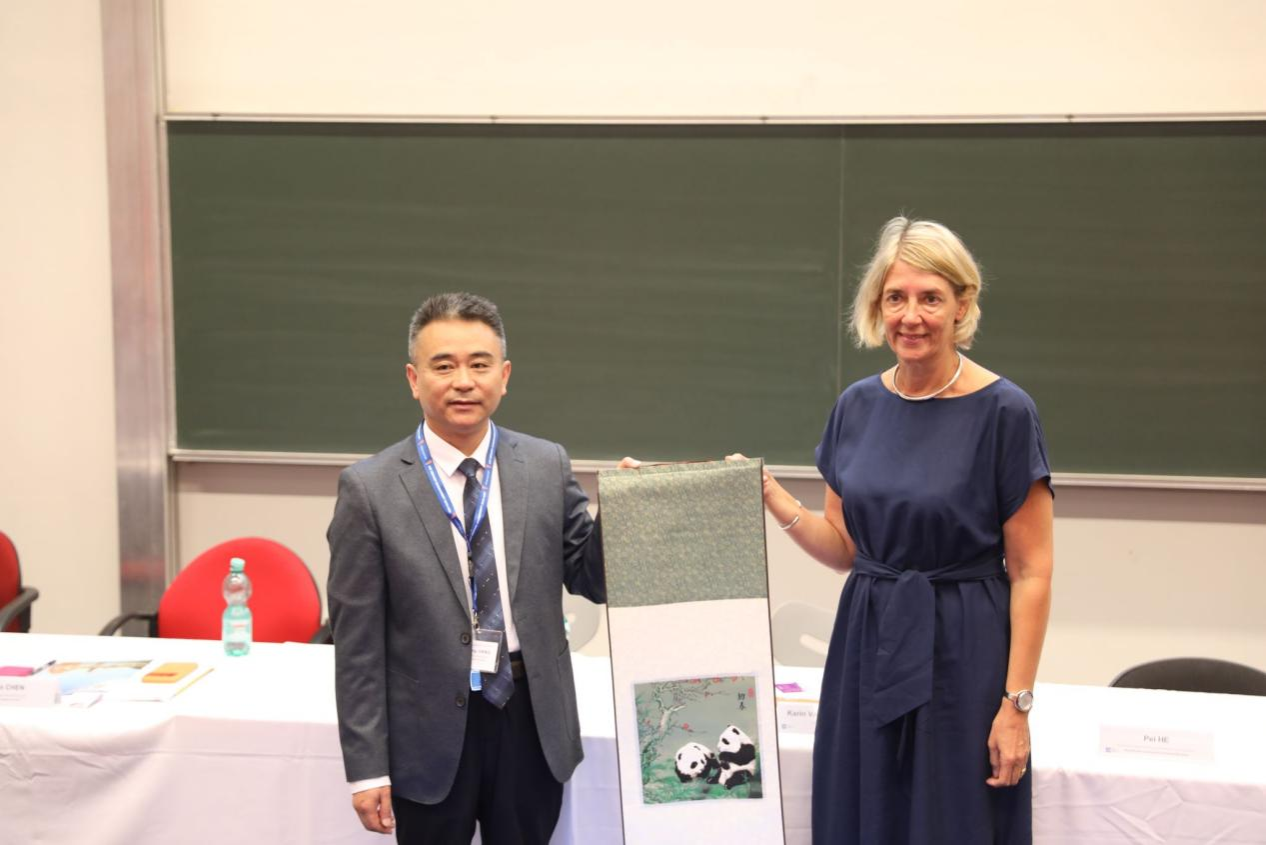
While in Vienna, the delegation participated in the 2026 Annual Conference of the International Medical Education Alliance. Members of the delegation attended keynote speeches and parallel‑session discussions to gain in‑depth insights into cutting‑edge developments in international medical education reform. Through thematic presentations and booth exhibitions, the delegation showcased the educational strengths and distinctive practices of Chinese medical universities. The delegation held talks with Professor Anne Lloyd, Chief Executive Officer of the Alliance, during which both sides exchanged views on trends in medical education and potential avenues for future cooperation. The delegation’s exhibition booth attracted numerous overseas universities and educational institutions, with participants engaging in discussions covering inter‑university collaboration, faculty development and student exchange programs.
The delegation then traveled to Brussels, Belgium, for a visit to Vrije Universiteit Brussel and its affiliated hospitals, during which the China‑Belgium Seminar on Cooperation among Medical Universities was jointly convened. Seminar topics covered collaborative education programs, interdisciplinary talent cultivation, integration of interdisciplinary curricula and practical teaching, digital transformation of medical education, co‑development of smart teaching resources, and virtual‑simulation experimental teaching.
Jiang Tongrong delivered a keynote speech on "Cultivation of Interdisciplinary Medical Talents". He pointed out that the cultivation of interdisciplinary medical talents should be guided by clinical challenges and public‑health demands. Drawing on practical experience from Southwest Medical University, he shared the university’s practices in medicine‑engineering integration, medicine‑industry collaboration, and medicine‑law interdisciplinary initiatives from three perspectives: embedding interdisciplinary courses into core medical curricula, extending interdisciplinary training through practical teaching, and providing institutional support via flexible management mechanisms. His presentation was highly recognized by Belgian counterparts, and both sides reached consensus on future cooperation including reciprocal visits of faculty and students and joint research projects. The delegation also took a guided tour of the affiliated hospitals of Vrije Universiteit Brussel.
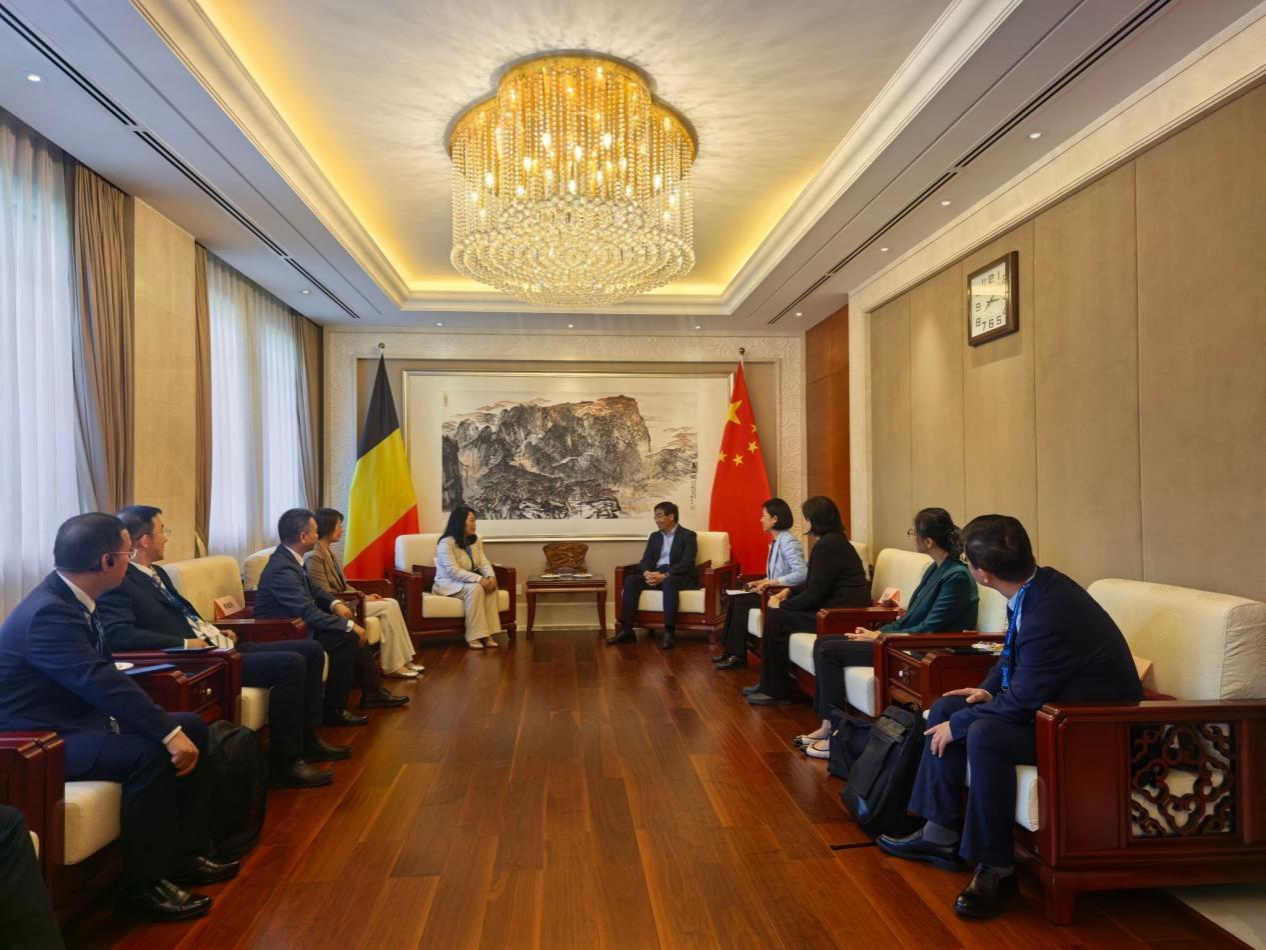
During its stay in Brussels, the delegation paid a courtesy call on the Chinese Embassy in Belgium. Ambassador Fei Shengchao received the delegation for discussions. Ambassador Fei outlined the landscape of higher and medical education in Belgium, analysed potential opportunities for China‑Belgium cooperation in this sector, commended the delegation’s efforts to advance bilateral medical‑education exchanges, and encouraged the participants to identify practical entry points for sustained and in‑depth cooperative partnerships.
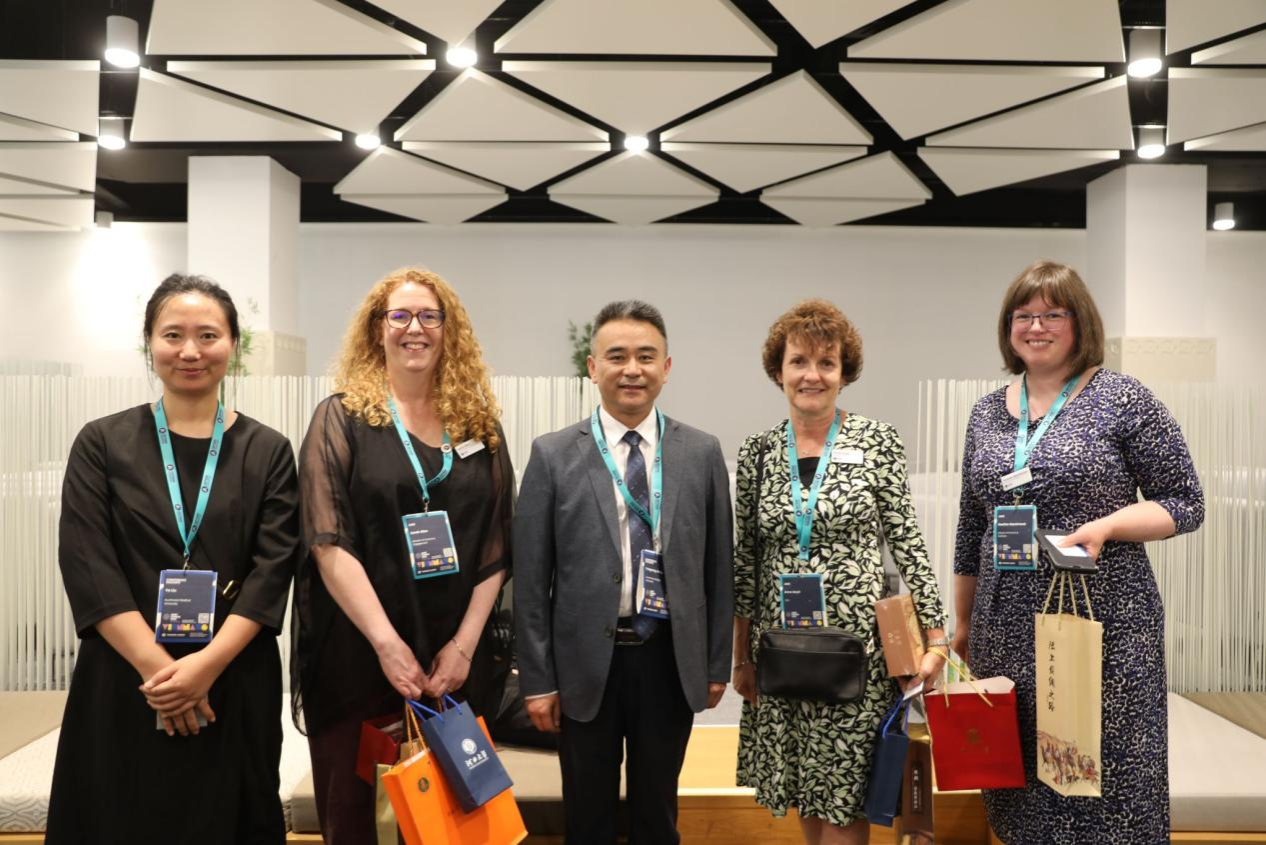
This overseas visit marked a key initiative by the university to engage in global dialogue on medical education, yielding valuable experience for further advancing its medical‑education reform and expanding international cooperation. The university will fully review the outcomes of this mission, optimize talent‑training programs in light of national conditions and institutional realities, deepen curriculum and assessment reforms, proactively pursue pragmatic cooperation with world‑class medical schools, and continuously improve the quality of medical talent cultivation.